 PaddlePal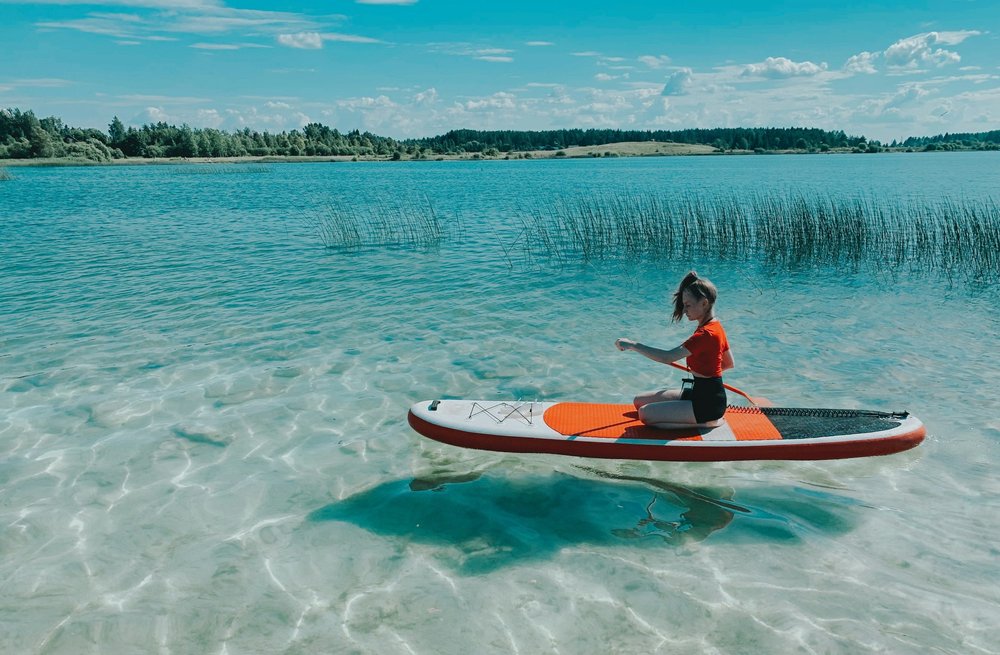
So you've seen people gliding across the water on a paddle board and thought, "That looks amazing — I want to try that." Good news: you absolutely can, and it's way easier than it looks.
Stand up paddle boarding (SUP) is one of the fastest-growing water sports in the world, and there's a good reason for that. It's accessible, it's a killer workout without feeling like one, and it gets you out on the water in a way that's hard to beat. Whether you're on a glassy lake, a lazy river, or a sheltered bay, SUP is something almost anyone can pick up in a single session.
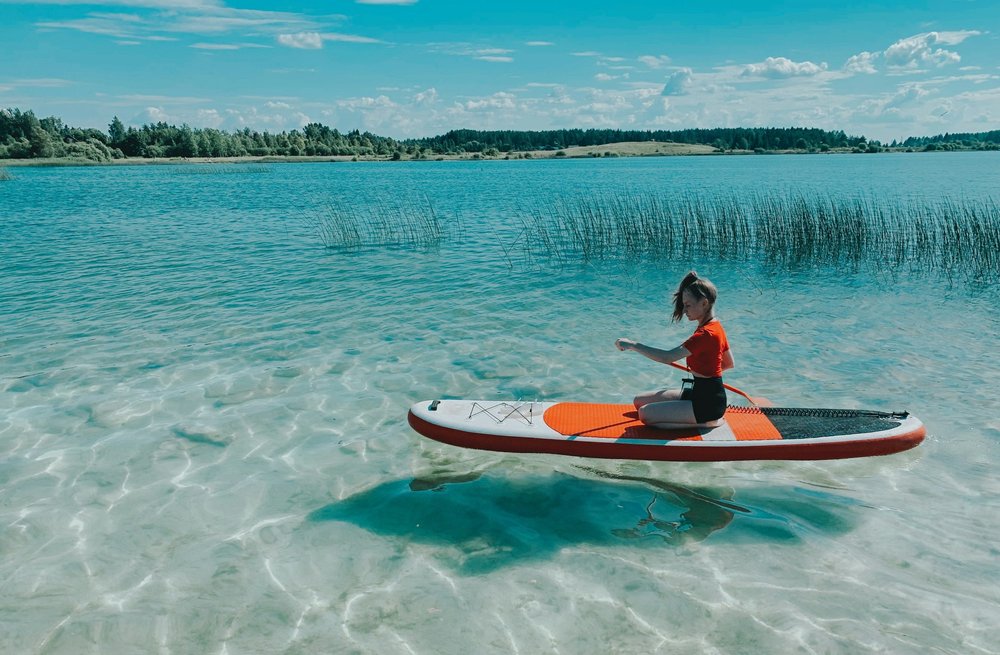
Let's walk through everything you need to know before your first time on the board.
Choosing the Right Board
If you're renting or borrowing for your first session (which we'd recommend), ask for an all-around board. These are wider, more stable, and designed to handle a variety of conditions. Look for a board that's at least 32 to 34 inches wide — the wider it is, the more stable you'll feel.
Inflatable boards are a great option for beginners too. They're surprisingly rigid once pumped up, easy to transport, and a bit more forgiving if you bump into them when falling off (and yes, you will fall off — that's part of the fun).
Setting Up Your Paddle
Your paddle should be roughly 8 to 10 inches taller than you. Most adjustable paddles have markings to help you dial in the right height. One thing that trips up a lot of first-timers: the blade angles forward, away from you. It looks a bit counterintuitive, but that angle is what gives you an efficient stroke.
Getting On the Board
Don't try to stand up on dry land or in the shallows — wade out until the water is about knee-deep so the fin isn't dragging on the bottom. Start by kneeling in the center of the board, right around the carry handle. That handle marks the balance point of the board, and it's your home base.
Place your hands on the edges of the board, get your bearings, and when you feel stable, slowly stand up one foot at a time. Keep your feet parallel, about shoulder-width apart, and your knees slightly bent. Look at the horizon, not your feet — this makes a huge difference for balance.
The Basics of Paddling
Here's the secret that makes everything click: paddle with your core, not your arms. If you're just pulling with your arms, you'll tire out fast and won't get much power. Instead, think of it like a gentle twist of your torso. Reach forward, plant the blade fully in the water, and pull back by rotating your hips and core.
Switch sides every few strokes to keep yourself going straight. About 4 to 5 strokes per side works well for most people.
Picking the Perfect Spot for Your First Session
Location matters a lot when you're starting out. You want calm, flat water with minimal boat traffic and wind. A small lake, a protected bay, or a slow-moving river are all ideal. Avoid open ocean, strong currents, or anywhere with a lot of motorized boats until you've got some experience under your belt.
Not sure where to find beginner-friendly spots near you? PaddlePal's Finder has over 64,000 paddle spots across 150+ countries. You can browse by location and find launch points that are perfect for getting started. It's a great way to discover spots you might not have known about, even in your own backyard.
What to Wear and Bring
Keep it simple. For warm weather, a swimsuit or quick-dry clothing works fine. In cooler conditions, consider a wetsuit or at least a rash guard. Always wear a personal flotation device (PFD) — in many places it's legally required, and even where it's not, it's just smart.
A few other things to bring along: sunscreen (reef-safe if you're on the ocean), sunglasses with a retainer strap, water, and a dry bag for your phone and keys.
Don't Forget About Safety
Even on calm water, things can change quickly. Keep an eye on the weather and wind conditions before you head out. A board leash is essential — it keeps your board from drifting away if you fall in, and trust us, your board is your best flotation device out there.
If you want an extra layer of confidence, the PaddlePal app includes real-time weather updates and a safety feature called PaddleSafe that lets you share your live location with a friend or family member while you're on the water. It's the kind of thing you hope you never need, but you'll be glad it's there.
You're Ready — Seriously
Stand up paddle boarding has a learning curve, but it's a gentle one. Most people are standing and paddling within the first 15 to 20 minutes. The key is to relax, keep your knees soft, and enjoy the experience. You don't need to be an athlete or have perfect balance — you just need to be willing to get a little wet.
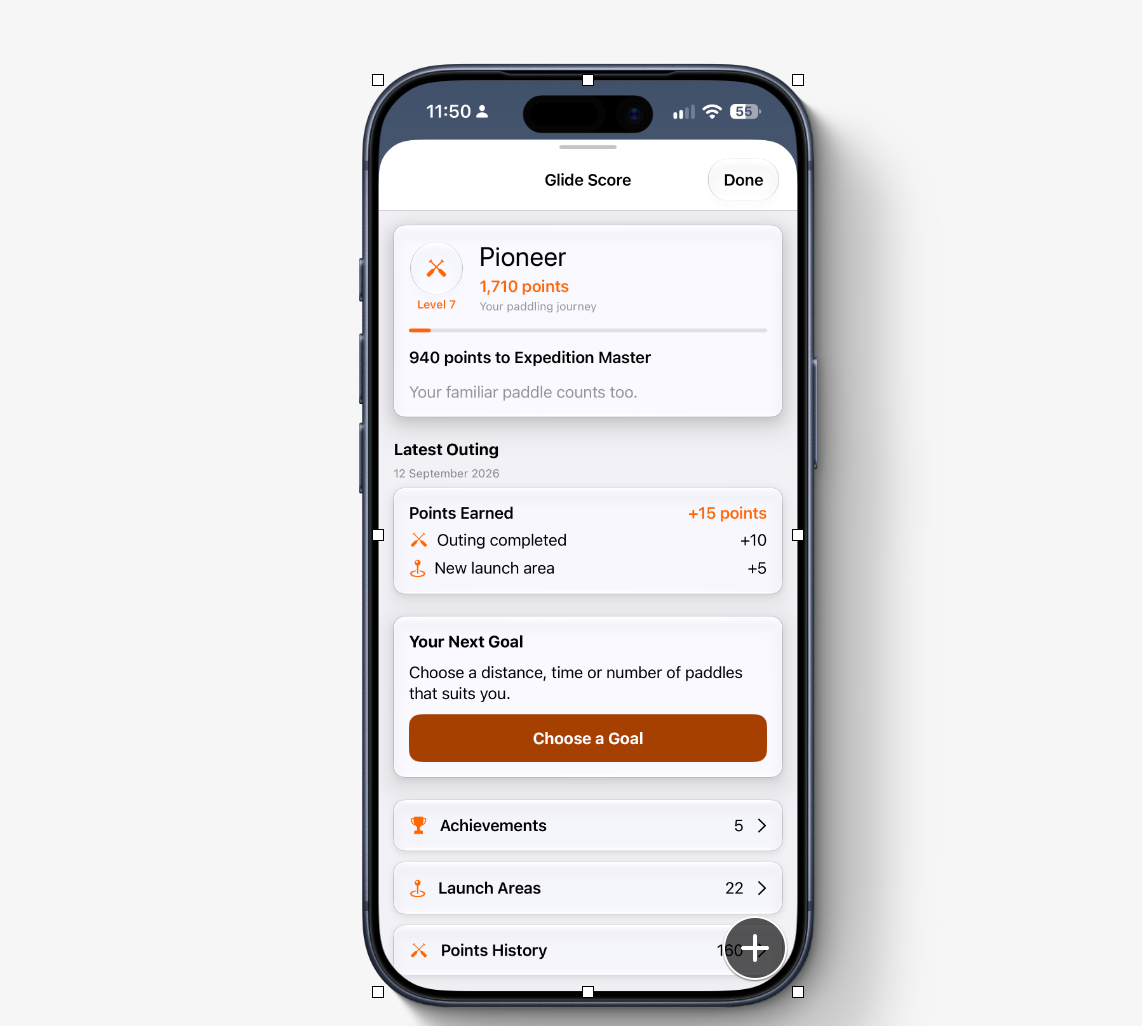
Once you've got a few sessions under your belt, you can start exploring new routes, tracking your distance and speed, and challenging yourself in different conditions. The PaddlePal app is a handy companion for that — it tracks your sessions with GPS, syncs with Apple Health and Strava, and helps you see your progress over time.
But for now? Just get out there and have fun. The water's waiting.
Ready to find your first paddle spot? Explore over 64,000 locations at finder.paddlepal.net, and download the PaddlePal app to track your sessions from day one.