 PaddlePal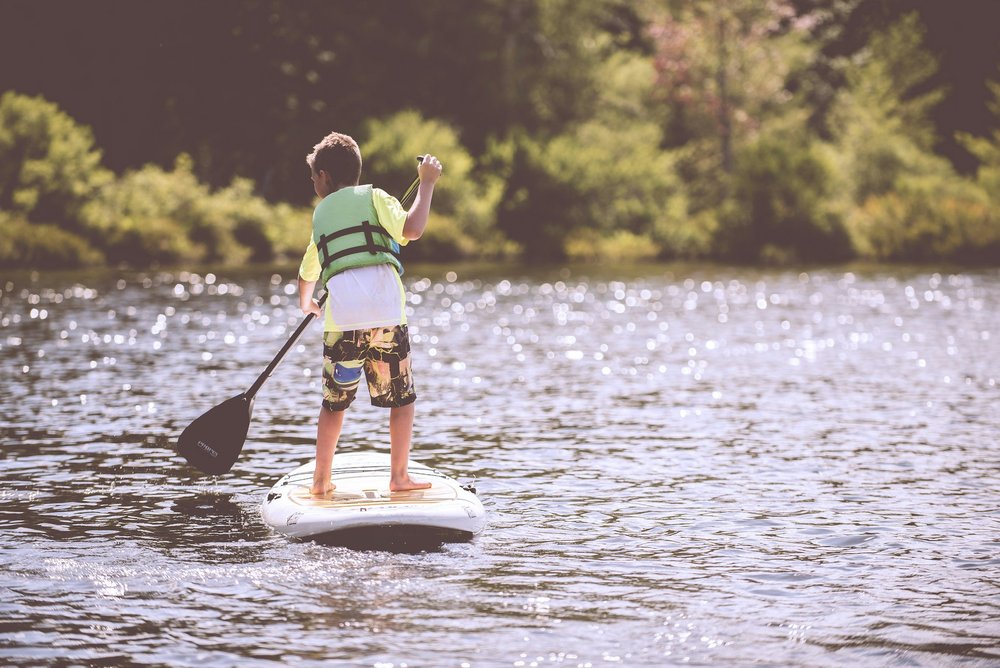
Stand up paddle boarding is one of the most relaxing ways to spend time on the water. But like any water sport, it comes with risks — and most of them are completely avoidable with a little preparation.
Whether it's your first time or your fiftieth, these safety tips will help you stay out of trouble and focus on what matters: enjoying the paddle.
1. Always Wear a Personal Flotation Device (PFD)
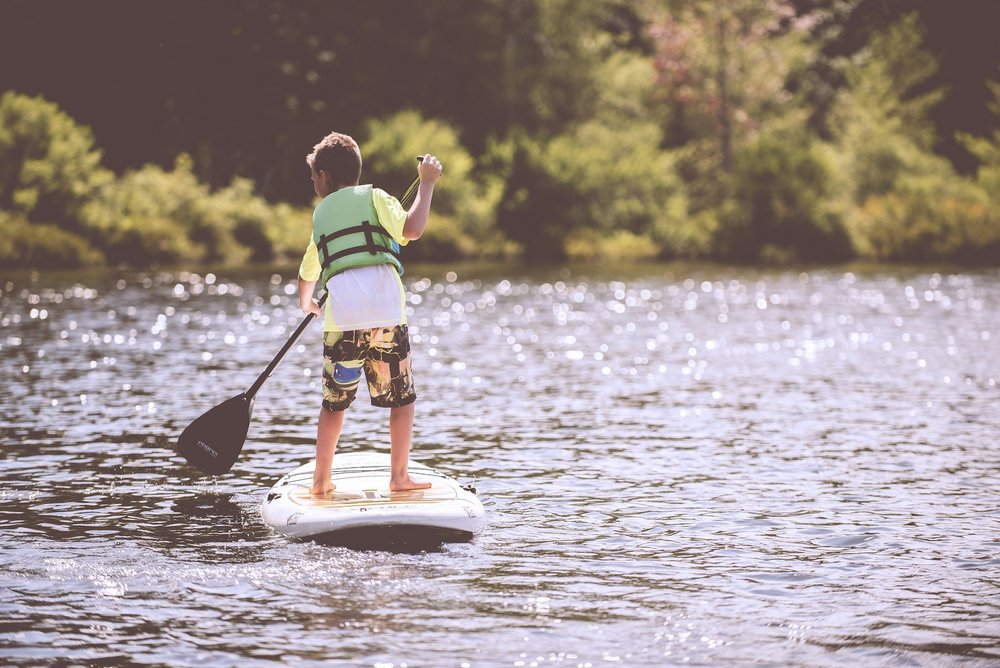
This one's non-negotiable. In the US, the Coast Guard classifies paddle boards as vessels, which means you're legally required to have a PFD on board in most states. Even where it's not mandatory, wearing one is just common sense. Fatigue, cramps, or an unexpected fall in cold water can happen to anyone, and a PFD is your best insurance policy.
There are slim, low-profile PFDs designed specifically for paddle sports that won't restrict your movement. You'll forget you're wearing it after the first few minutes.
2. Use a Leash — Every Single Time
Your board is your biggest flotation device on the water, and a leash keeps it attached to you if you fall off. Without one, a gust of wind can blow your board away faster than you can swim after it.
There are different leash types for different conditions — a coiled leash for flatwater and a quick-release waist leash for rivers. Make sure you're using the right one for your environment.
3. Check the Weather Before You Go
Wind is the biggest safety factor for paddle boarders, and it can change quickly. What starts as a calm morning can turn into a windy slog by midday. Check the forecast before every session and pay special attention to wind speed and direction.
As a general rule, if the wind is above 10 to 12 mph, beginners should consider staying on shore. Offshore wind (blowing away from land) is particularly dangerous because it can push you out faster than you can paddle back.
The PaddlePal app gives you real-time weather updates and alerts, so you can check conditions at your location before you launch. It also provides detailed tide data if you're paddling in coastal areas, which is important for planning your route and timing.
4. Tell Someone Where You're Going
This is a simple one that people skip all the time. Before you head out, let someone know where you'll be paddling, roughly how long you plan to be out, and when to expect you back.
Better yet, use a live location sharing feature so someone can check on you in real time. The PaddlePal app includes a feature called PaddleSafe that does exactly this — it lets you share your live GPS location with a friend or family member while you're on the water. If anything goes wrong, they'll know exactly where you are.
The app also integrates with What3Words, which assigns a unique three-word address to every 3-meter square on the planet. That means if you ever need to call for help, you can share your precise location in a way that's easy for emergency services to find you.
5. Know Your Limits (and the Conditions)
There's a big difference between a sheltered lake and an open bay with wind and current. Be honest about your skill level and choose conditions that match it. Flat, calm water is where beginners should spend their time. As you build confidence and fitness, you can gradually work up to more challenging environments.
If you get out on the water and conditions change — the wind picks up, the current feels stronger than expected — there's no shame in heading back in early. The water will be there tomorrow.
6. Stay Aware of Other Water Users
Paddle boards share the water with boats, kayaks, jet skis, swimmers, and sometimes wildlife. Keep your head up and stay aware of what's around you. Give motorized vessels plenty of space — their wakes can knock you off balance, and they may not see you as easily as you see them.
If you're paddling near a shipping channel, a marina, or a busy beach, stay to the edges and be extra alert.
7. Learn How to Fall (and Get Back On)
Falling off your board is normal. The key is to fall safely. Try to fall to the side, away from your board, rather than on top of it. Falling onto a hard board can cause injuries, so putting a little distance between you and the board as you go in is worth practicing.
Getting back on is straightforward: swim to the center of the board, grab the carry handle, kick your legs to the surface behind you, and pull yourself up onto the board belly-first. From there, get back to kneeling, catch your breath, and stand up when you're ready.
8. Dress for the Water Temperature, Not the Air
This catches a lot of people off guard. A sunny 60-degree day might feel warm on land, but if the water is 50 degrees, falling in can be a serious shock. Cold water saps your energy fast and can make it hard to swim or climb back on your board.
In colder water, wear a wetsuit or at least a neoprene top. In warmer conditions, quick-dry clothing with sun protection is the way to go.
9. Bring the Right Essentials
You don't need to pack heavy, but a few items can make a real difference. Bring water to stay hydrated, especially on longer paddles. Apply reef-safe sunscreen before you launch. Use a dry bag for your phone, keys, and any snacks. And consider bringing a whistle — it's a simple, effective way to signal for help if you need it, and it's actually required by Coast Guard regulations in many areas.
10. Paddle With a Buddy When You Can
There's something special about a solo paddle, but when you're starting out, having someone with you adds a significant safety margin. If one person gets tired, has gear trouble, or takes a fall, the other is right there to help.
It also just makes it more fun. Sharing a sunrise paddle or exploring a new spot with a friend is one of the best parts of the sport.
The Bottom Line
Paddle boarding is inherently a safe, low-risk activity — and it stays that way when you take a few basic precautions. Wear your PFD, use a leash, check the weather, and let someone know where you are. Do those four things and you've already eliminated the vast majority of risk.
The rest is just common sense, awareness, and a willingness to respect the water.
Stay safe on every paddle. The PaddlePal app gives you real-time weather and tide data, live location sharing with PaddleSafe, and What3Words integration for precise emergency location. Download it free at paddlepal.net.