 PaddlePal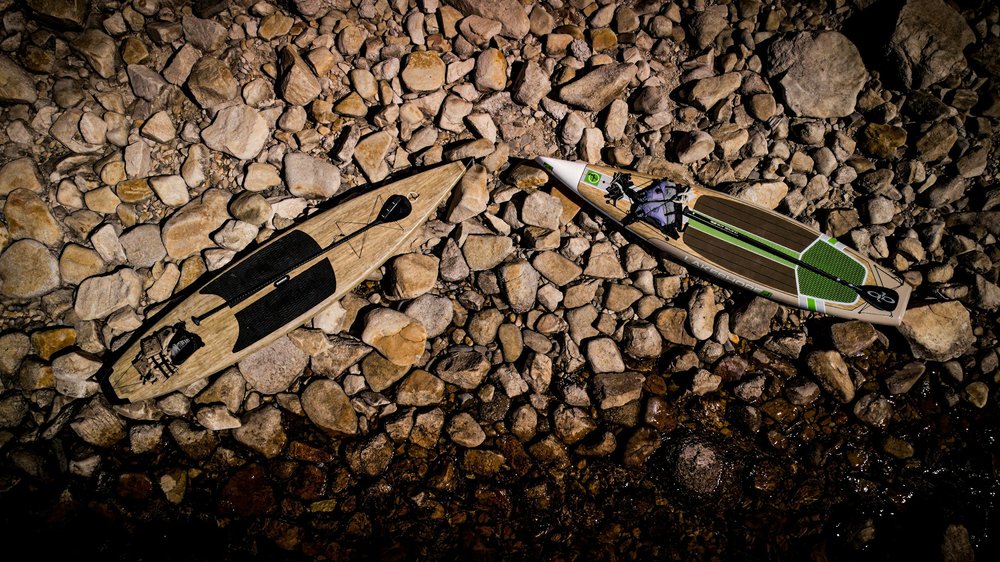
Getting into stand up paddle boarding doesn't require a garage full of gear. In fact, the simplicity of the sport is part of what makes it so appealing. A board, a paddle, a few essentials, and you're on the water.
But if you're brand new to SUP, it can be hard to know what you actually need versus what's just nice to have. Here's a straightforward breakdown to help you gear up without overcomplicating things.
The Board
This is your biggest decision, so let's keep it simple. As a beginner, you want an all-around board. These are designed to perform well in a variety of conditions — lakes, rivers, bays — and they prioritize stability over speed. Look for a board that's at least 32 to 34 inches wide. The extra width gives you a more stable platform, which makes a world of difference when you're learning.
You'll also need to decide between a hard board and an inflatable.
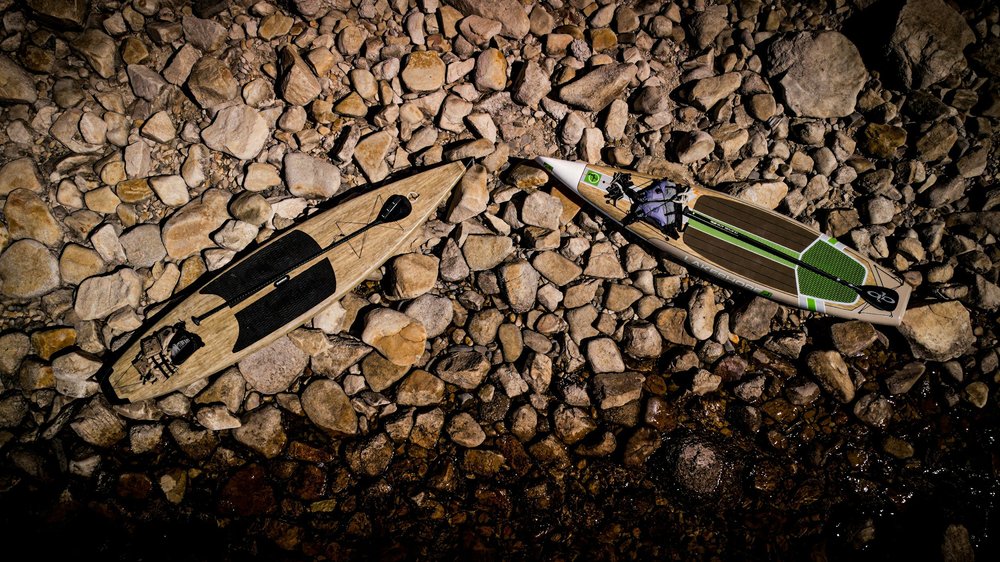
Hard boards (typically made from epoxy or fiberglass) are more rigid and responsive on the water. They glide a bit better and feel more connected to the surface. The trade-off is that they're harder to transport and store — you'll need roof racks or a truck bed.
Inflatables have come a long way. A good quality inflatable pumped to the right pressure (usually 12 to 15 PSI) is surprisingly stiff and performs well for recreational paddling. The big advantage is convenience: they roll up into a backpack-sized bag, fit in your car trunk, and store in a closet. For most beginners, an inflatable is the practical choice.
The Paddle
Your paddle is your engine, so it's worth getting one that fits you. Adjustable paddles are ideal for beginners because you can dial in the right length and share with others. Set it about 8 to 10 inches taller than your height.
Paddles come in different materials: aluminum (heavy but affordable), fiberglass (good middle ground), and carbon fiber (light but pricey). For starting out, an aluminum or fiberglass paddle is perfectly fine. You can always upgrade later once you know what you like.
One quick tip: the blade should angle away from you, not toward you. It looks wrong at first, but that forward angle is what makes the stroke efficient.
The Essentials You Shouldn't Skip
These items aren't optional — they're fundamental to a safe, enjoyable time on the water.
Personal Flotation Device (PFD). Required by law in most places and a no-brainer regardless. Look for a paddle-sport-specific PFD that sits comfortably and doesn't restrict your arm movement. Inflatable belt-style PFDs are popular with paddlers because they're almost invisible until you need them.
Leash. This keeps your board attached to you when you fall off. On a lake, a coiled ankle leash works great. On a river, switch to a quick-release waist leash so you don't get tangled if you go in near obstacles.
Sun protection. You're exposed on a paddle board. Wear a hat, sunglasses with a retainer strap, and apply reef-safe sunscreen before you head out. You'll be getting UV from above and reflected off the water — it adds up fast.
What to Wear
The rule of thumb is to dress for the water temperature, not the air temperature. This matters because if you fall in (when, not if), the water temperature is what you'll be dealing with.
In warm water and warm air, a swimsuit or quick-dry shorts and a rash guard are all you need. A rash guard also gives you extra sun protection.
In cool water or cool weather, layer up with a wetsuit or at least neoprene shorts and a neoprene top. Water shoes or neoprene booties help keep your feet warm and give you grip on the board.
In cold water, a full wetsuit or even a drysuit is essential. Cold water immersion is no joke and can seriously impair your ability to swim within minutes.
Avoid cotton — it absorbs water, gets heavy, and takes forever to dry. Stick with synthetic or neoprene fabrics.
Nice-to-Have Extras
Once you've got the essentials covered, a few extras can level up your experience.
Dry bag. A small waterproof bag for your phone, keys, wallet, and snacks. You can strap it to the front bungees on most boards. Simple and essential for keeping your stuff safe.
Board bag or backpack. If you have an inflatable, many come with a carrying backpack. For hard boards, a padded board bag protects it during transport. Not urgent for day one, but useful once you're paddling regularly.
Waterproof phone case. If you want to take photos or have your phone accessible on the water without worrying about it taking a swim. That said, if you want to track your paddle without having your phone in hand, the PaddlePal app works on Apple Watch — so you can leave the phone safely in your dry bag and still record your route, distance, and speed.
Roof racks or board carrier. If you go with a hard board, you'll need a way to get it to the water. Soft roof racks are an affordable option for most cars.
What You Don't Need (Yet)
When you're starting out, skip the high-end carbon fiber paddle, the racing board, and the full gopro setup. You don't need a GPS watch, specialized paddling gloves, or a wing foil. Start simple, figure out what kind of paddling you enjoy, and then invest in upgrades that match how you actually use your board.
The beauty of SUP is that the barrier to entry is low. A decent board, a paddle, a PFD, and a leash — that's your starter kit. Everything else is just adding polish to an already great experience.
Getting the Most Out of Your Gear
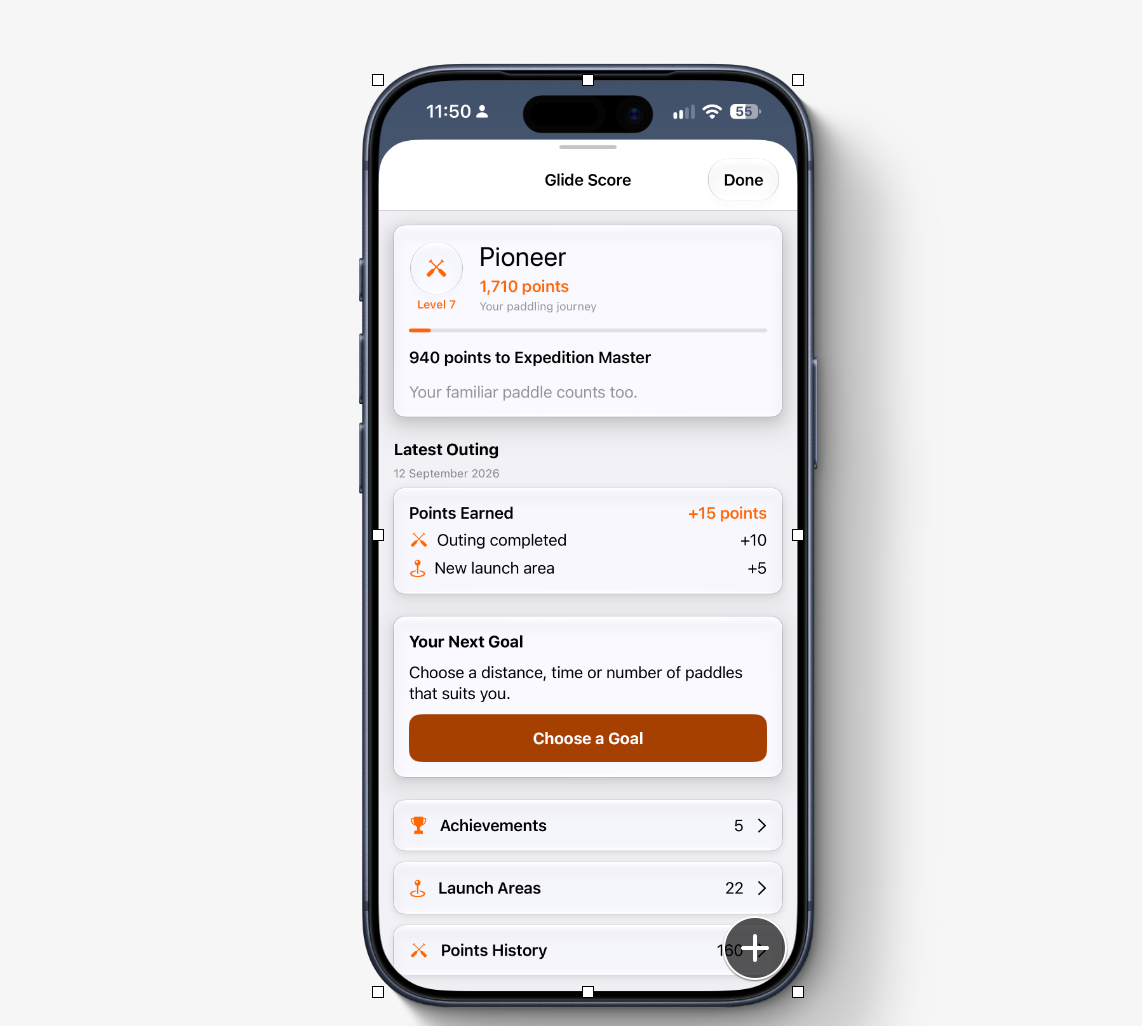
Once you've got your setup dialed, make it work for you. Track your sessions with the PaddlePal app to see your speed, distance, and routes. Over time, you'll start to notice how different conditions affect your performance — which helps you make smarter gear choices down the road.
And when you're ready to explore new spots, finder.paddlepal.net can help you find launch points and paddle routes near your next destination. Because the only thing better than having good gear is having a great place to use it.
Find your next paddle spot at finder.paddlepal.net and track every session with the free PaddlePal app. Available on iPhone, iPad, and Apple Watch at paddlepal.net.