 PaddlePal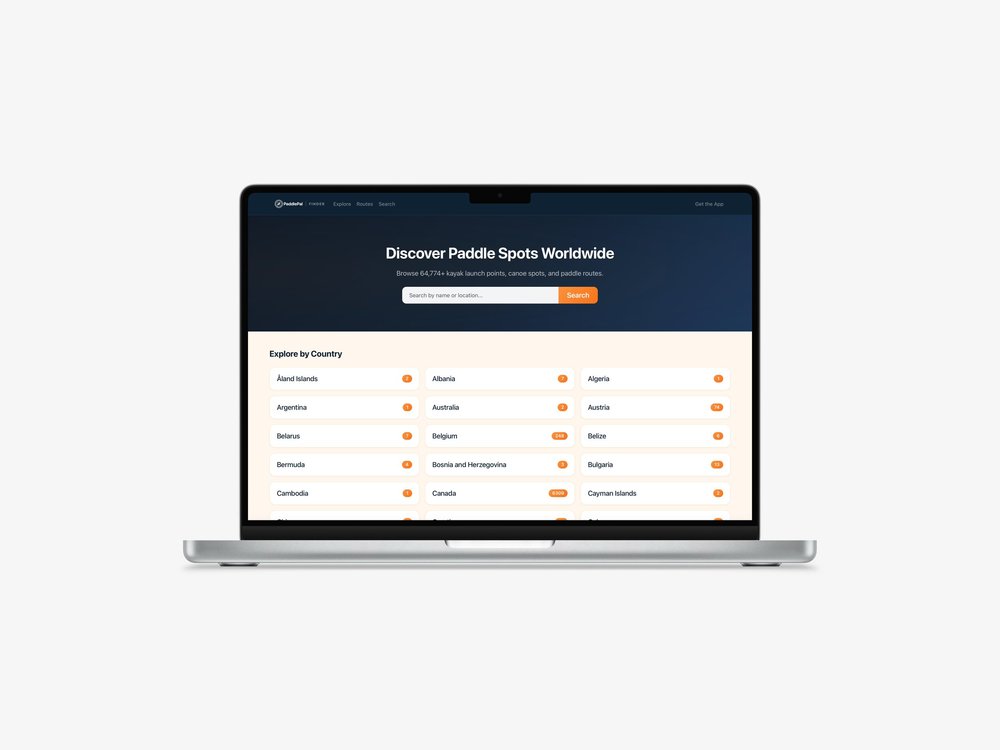
One of the best things about stand up paddle boarding is that you don't need a specific venue or facility. Any accessible body of calm water can be your playground. But finding the right spot — especially when you're starting out — can make the difference between a session you love and one that leaves you frustrated.
Here's how to find paddle boarding spots that match your skill level, and a few things to look for before you launch.
What Makes a Good Paddle Boarding Spot?
Not all water is created equal when it comes to SUP. If you're a beginner, the ideal spot has a few key characteristics.
Calm, flat water is the biggest one. Wind chop, boat wakes, and currents all make balancing harder. Small lakes, reservoirs, protected bays, and slow-moving rivers are your best friends when you're getting comfortable on the board.
Easy water access matters more than you'd think. A gentle beach, a boat ramp, or a dock with a low platform all work well. Steep banks, rocky shorelines, or spots where you have to scramble down with your board can make launching unnecessarily difficult.
Minimal boat traffic is another thing to look for. Motorboats create wakes that can catch you off guard, and busy waterways mean you're constantly watching out for other traffic instead of enjoying the paddle.
Parking and facilities round out the picture. It's not glamorous, but knowing there's parking nearby — and ideally a restroom — makes a big difference, especially if you're bringing the family.
The "I Didn't Know That Was There" Problem
Here's the thing most paddlers run into: there are amazing spots all around you that you probably don't know about. Most people default to the one or two lakes or beaches they already know, but there are often hidden gems — quiet coves, scenic waterways, lesser-known launch points — that are just as close and far less crowded.
This is exactly the problem we built PaddlePal Finder to solve. It's a searchable database of over 64,000 paddle spots across more than 150 countries. You can browse by location to find launch points, paddle routes, and spots for kayaking, canoeing, and SUP. Whether you're paddling in your hometown or exploring somewhere new on a trip, it's a solid starting point for discovering where to go.
How to Evaluate a New Spot
Found a promising location? Before you load up the car, run through this quick checklist.
Check the weather and wind forecast. Wind is the number one thing that can ruin a paddle session. Even a spot that's normally glassy can get choppy with 10 to 15 mph winds. Morning sessions tend to be calmer before afternoon thermals kick in. The PaddlePal app gives you real-time weather updates and alerts so you can check conditions right from your phone before heading out.
Look at the water conditions. Is it a lake with no current? A river with a gentle flow? A coastal area with tidal changes? For beginners, still water is ideal. If there's any current or tidal movement, make sure you understand how it'll affect your paddle — launching into a current means fighting it on the way back.
Check for access rules. Some waterways require permits, have seasonal restrictions, or limit certain types of watercraft. A quick search or a check with local authorities can save you a wasted trip.
Think about your exit plan. Especially on rivers, make sure you know where you'll take out. A one-way paddle is fun, but only if you've planned how to get back to your car.
Tips for Exploring New Locations
Once you've built some confidence on the water, exploring new spots is one of the most rewarding parts of the sport. Here are a few ways to keep finding fresh places to paddle.
Talk to local paddlers. SUP communities are generally friendly and happy to share their favorite spots. Local paddle shops are another great resource — the staff usually knows every launch point within a 50-mile radius.
Travel with your board (or rent). If you're going on a trip, check whether your destination has paddle board rentals nearby. Paddling somewhere new — a mountain lake, a tropical bay, a coastal estuary — adds a completely different dimension to the experience. Use finder.paddlepal.net to scope out spots at your destination before you go. With coverage in 150+ countries, there's a good chance you'll find options wherever you're headed.
Try different types of water. If you've only paddled on lakes, try a calm river. If you've been on rivers, explore a sheltered coastal area. Each type of water offers different scenery, wildlife, and challenges — and it keeps things interesting.
Track Where You've Been
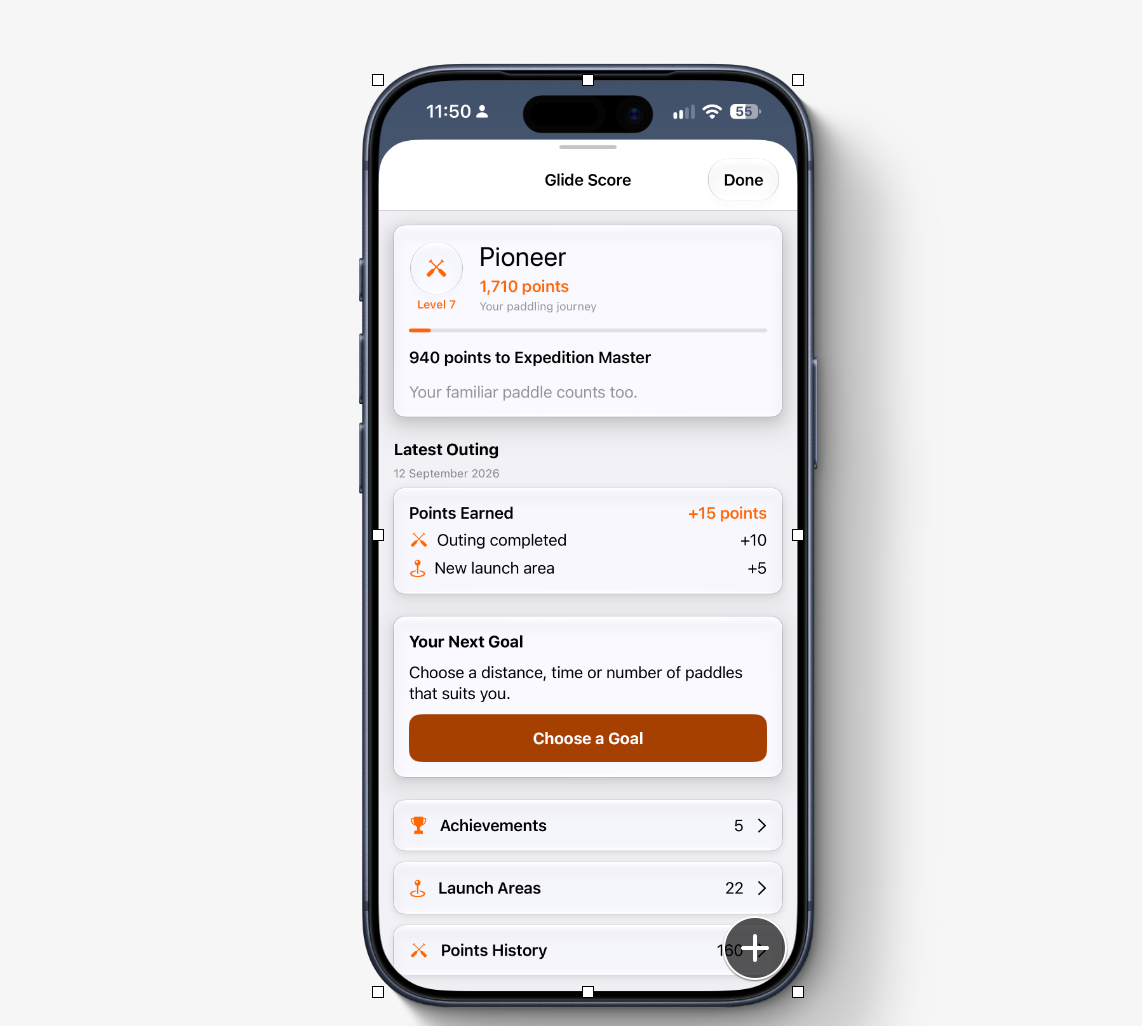
Part of the fun is building up a personal log of the spots you've explored. The PaddlePal app tracks your routes with GPS, so every session becomes a recorded memory — complete with your distance, speed, and the route you took. Over time, you'll build a collection of your favorite paddles that you can revisit or share with friends.
It also works on Apple Watch, so you can leave your phone in a dry bag and still have your session tracked. Less screen time, more water time.
Your Next Spot Is Out There
Whether you're looking for a peaceful morning paddle five minutes from home or planning a paddling adventure on your next vacation, the best spot is the one you haven't found yet. Start exploring, stay curious, and let the water take you somewhere new.
Discover your next paddle at finder.paddlepal.net — over 64,000 spots in 150+ countries, all searchable and free to browse. Download the PaddlePal app to track every session and build your personal paddling map.