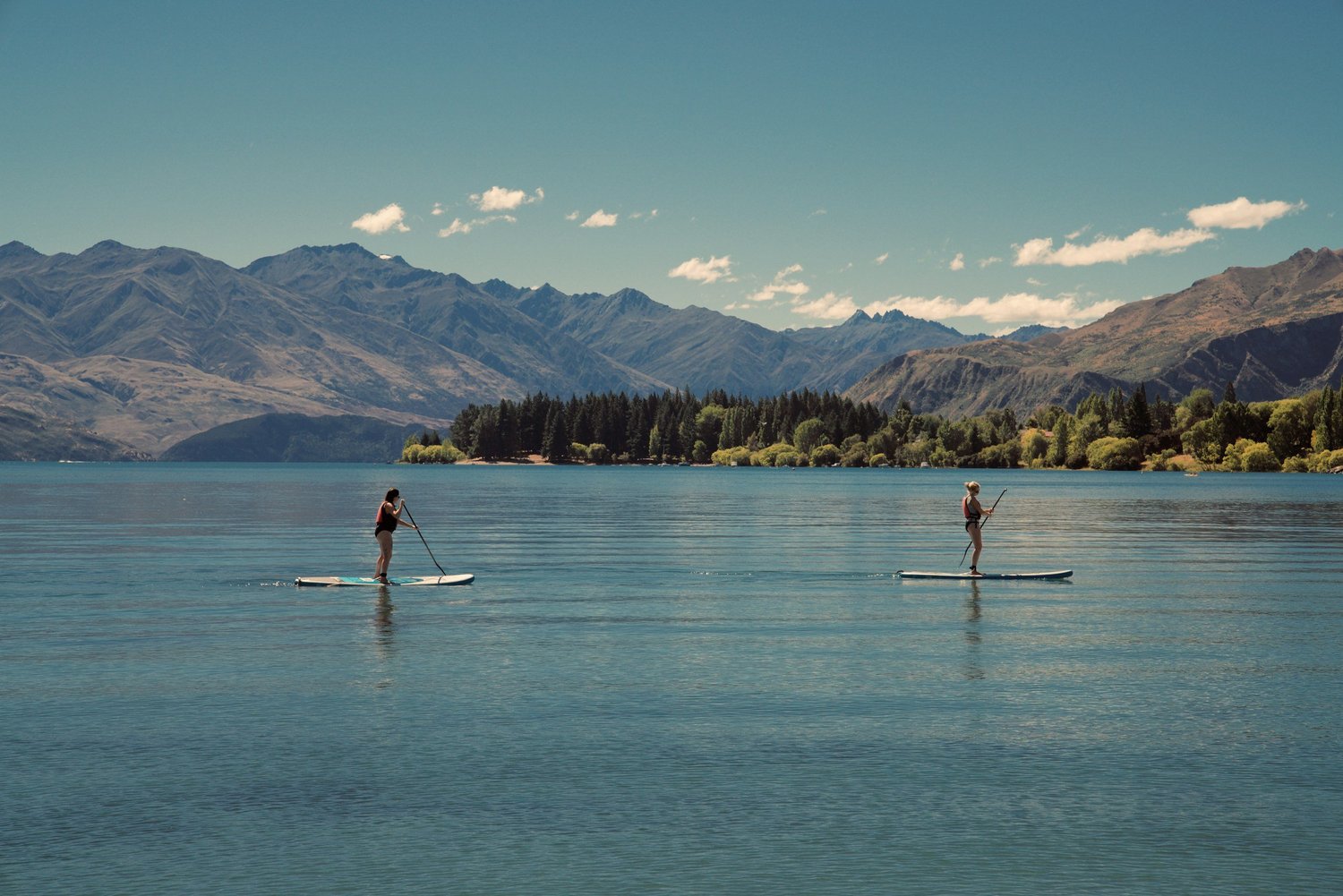
The Norfolk Broads are the easiest serious paddling in England: more than a hundred miles of connected rivers and shallow lakes with no locks, no rapids and, away from the lower reaches, barely any current. That suits a first multi-day trip, a family week with a board on the roof, or a quiet autumn paddle once the hire cruisers have gone home. This guide picks eight launches from the PaddlePal Finder listings across the northern and southern Broads, and adds when to go, where to stay and the toll you need before you set off.
Why paddle in the Norfolk Broads
The Broads are not natural lakes but flooded medieval peat diggings, joined up by the rivers Bure, Ant, Thurne, Yare, Chet and Waveney. The result is a network rather than a single destination: launch at a village staithe, follow a river for an hour, cross a broad and come back by a different dyke. The water is flat and mostly sheltered, so a paddleboard is as much at home here as a touring kayak.
The northern Broads, around Wroxham, Horning, Barton and Hickling, are the busiest and the most scenic, with the biggest broads and the most villages with pubs and moorings. The southern Broads, on the Yare, Chet and Waveney, are quieter, more open and more tidal, and reward paddlers who want a long day with few other craft. Norwich sits between the two.
When to go
Late spring and early autumn are the sweet spot: the reeds are at their best, the water is forgiving and the hire-boat traffic is lighter than in the school holidays. High summer is still good paddling, but the Bure between Wroxham and Horning carries a steady stream of cruisers through the middle of the day, so launch early or pick a smaller broad.
Winter paddling is possible because the water stays flat, but the wind has nothing to stop it across the open broads. Many of the broads are nature reserves, and in the breeding season you are asked to keep away from the margins where birds nest.
Where to paddle
Whitlingham Adventure Launch Platform — Whitlingham Great Broad, Norwich
If you are new to paddling, or arriving by train, start here. Whitlingham Great Broad sits inside a country park on the edge of Norwich: a flat, enclosed lake sheltered from almost every wind, with no cruiser traffic. The listing records parking, toilets and a café. The outdoor centre on the broad runs hire and courses, and launching your own craft goes through the centre, so check their arrangements before you arrive. See the listing on PaddlePal Finder.
Caen Meadow, Wroxham — River Bure
Wroxham calls itself the capital of the Broads, and it is the obvious base for a first visit, with a railway station, boatyards and the Bure running through the middle. Caen Meadow is a public green on the river upstream of the village bridge, and the listing records parking and a play spot. Paddle upstream towards Belaugh and Coltishall, where the river is narrow, tree-lined and much quieter, or downstream through the village to Wroxham Broad and Salhouse. See the listing on PaddlePal Finder.
Salhouse Broad — off the River Bure
Salhouse is the classic Broads picture: a small, sheltered broad fringed with woodland, a strip of shore where families picnic, and the main river just beyond the dyke. It is a good place to get comfortable before venturing onto the Bure. The listing records parking and a play spot, and there is a separate pin for the Salhouse Broad camp site, which puts your tent a few metres from the water. See the listing on PaddlePal Finder.
Horning Staithe — River Bure
Horning is the prettiest of the Bure villages, a single street of thatched and weatherboarded houses facing the river, with a staithe in the middle where the listing records parking and a play spot. It is busy with cruisers in summer, so it suits a morning launch, and it is the natural start for the short shared route around Hoveton Little Broad. Downstream the river opens out towards Ranworth and the mouth of the Ant. See the listing on PaddlePal Finder.
Ranworth — Malthouse Broad
Ranworth staithe sits on Malthouse Broad, a wide, open sheet of water below the village church; the listing records parking and a pub. The adjoining Ranworth Broad is a Norfolk Wildlife Trust reserve with a floating visitor centre and is not open to paddlers, so you stay on Malthouse Broad and the dyke out to the Bure. It is a short, easy outing, and the climb up the church tower afterwards gives the best view of the Broads from anywhere on land. See the listing on PaddlePal Finder.
Wayford Bridge — River Ant and Barton Broad
The Ant is the narrowest and most intimate of the northern rivers, winding through reed and fen from Wayford Bridge down to Barton Broad, one of the largest in the system. The listing records parking, toilets and a pub, which makes it a comfortable start for the long shared route linking Barton Broad with the old North Walsham and Dilham Canal upstream. Paddle downstream to reach the broad, where open water gets choppy in a wind, then come back the same way. See the listing on PaddlePal Finder.
Hickling Broad — River Thurne
Hickling is the largest broad of all and the wildest: a shallow, reedy expanse managed by the Norfolk Wildlife Trust, where marsh harriers, cranes and swallowtail butterflies are regular sights from the water. The listing records parking and a pub, the Pleasure Boat Inn, which the Trust now owns. The Trust asks paddlers not to launch from its own staithe by the pub and to use the adjoining parish staithe instead, so look for the signs. Keep to the marked channels, because much of the broad is too shallow to paddle and the margins are nesting habitat. For more of the Thurne, Potter Heigham downstream records parking and sits beside the river's famous low medieval bridge. See the listing on PaddlePal Finder.
Beccles Yacht Station — River Waveney
The southern Broads are a different world, and Beccles is the place to find out. The Waveney here is a broad, slow river between water meadows, with the old town on a rise above the yacht station, and the listing records parking, toilets and a café. Upstream the river runs past Geldeston, where the finder also lists the Locks Inn, to the Bungay loop shared as a route; downstream it widens towards Oulton Broad and the tidal reaches. It is far quieter than the Bure and suits a weekend of river paddling rather than broad-hopping. See the listing on PaddlePal Finder.
Routes to try
Paddlers have shared these GPX routes on the finder.
- Broads Horning and Hoveton Little Broad — 3.5 km, a short loop from Horning for a first paddle or an evening outing.
- Broads Wroxham and Salhouse Broads — 7.4 km, the classic circuit of the two broads below Wroxham.
- River Waveney Bungay Loop — 10.9 km around the great bend of the Waveney at Bungay.
- River Bure Horstead Mill downstream towards Wroxham — 18.4 km, a full day following the river into the Broads proper.
- Broads Barton Broad and Dilham Canal — 20.7 km, the long one, taking in the Ant, Barton Broad and the old canal.
Beyond the water
Norwich has a Norman castle, a cathedral close and one of the best covered markets in the country, close enough to any northern launch for a rest day. On the Broads, the Norfolk Wildlife Trust's visitor centres at Ranworth and Hickling run boat trips into parts of the reserves paddlers cannot reach, and the wind pumps at Horsey and How Hill are the postcard views of the marshes. The Bure Valley Railway runs steam trains from Wroxham to Aylsham, and the north Norfolk coast is under an hour away.
Where to stay
For the northern Broads, Wroxham and Hoveton have the widest choice of hotels, B&Bs and holiday cottages, plus the railway station; Horning and Ludham are smaller and quieter. Campers have the best of it: the finder lists the Salhouse Broad camp site on the water, the Norfolk Broads Caravan and Motorhome Club Site near Ludham, and Repps with Bastwick campsite on the Thurne, all pinned because people have launched from them. In the south, Beccles, Loddon and Oulton Broad have B&Bs and riverside pubs, and the finder lists a Three Rivers camp site near Geldeston.
Getting there
Norwich is the hub. Trains run direct from London Liverpool Street in a little under two hours, and from Norwich the Bittern Line stops at Salhouse and at Hoveton and Wroxham for the northern Broads, while the Wherry Lines serve Brundall and Reedham on the Yare; Beccles has a station on the Ipswich to Lowestoft line. By road, the A11 and A47 bring you to Norwich and the A1151 carries on to Wroxham and Stalham, with parking at most staithes but limited at busy ones in summer. Stansted is the nearest large airport, around two hours' drive. Local buses from Norwich reach Wroxham, Stalham, Loddon and Beccles, which makes a one-way river trip possible without a second car.
Before you launch
The Broads are a navigation authority area, so every canoe, kayak and paddleboard, inflatables included, needs a toll to be on the water. Paddle UK membership covers it, and you should carry proof because the rangers do ask; otherwise buy a short-visit toll, which runs for seven or fourteen days, from the Broads Authority online or at outlets around the system. See the Broads Authority's paddling page for the current rules. The Trinity Broads (Ormesby, Rollesby, Filby and their neighbours) are privately owned and closed to all paddle craft.
On the water, keep to the right of the channel and give sailing boats room to tack; cruisers are big, slow and often steered by someone on their first day. Several of the finder's pins around Norwich are weirs and mills (Horstead, Hellesdon, Costessey, Trowse): launch above or below the structure, never paddle through it. The lower Bure, the Yare below Reedham and Breydon Water run with a real tide and are not for a casual outing. Check the wind before you commit to an open broad, wear a buoyancy aid and a leash on a board, and treat every listing as a starting point: launch arrangements change, and the local signage is the final word.
Plan it with PaddlePal
Browse the full Broads listings around Norwich and Great Yarmouth on the PaddlePal Finder for the staithes, campsites and hire centres we have not had room for here. In the app you can plan a route from a shared GPX file, check the wind before you launch and record the paddle from your phone or watch. PaddlePal is on the App Store.
Frequently asked questions
Do I need a licence to paddleboard on the Norfolk Broads?
Yes. The Broads Authority requires a toll for every canoe, kayak and paddleboard on its waters. Paddle UK membership covers it; otherwise buy a short-visit toll for seven or fourteen days, or an annual toll if you paddle there often.
Where is the best place for a beginner to paddle on the Broads?
Whitlingham Great Broad near Norwich is enclosed and free of cruiser traffic, and Salhouse Broad is small and sheltered just off the Bure. Both have parking recorded on the finder.
Can you paddle on Hickling Broad?
Yes, but it is a Norfolk Wildlife Trust reserve. Launch from the parish staithe rather than the Trust's staithe by the Pleasure Boat Inn, keep to the marked channels and stay away from the reed margins in the breeding season.
Are the Broads tidal?
The whole system rises and falls a little, but it only matters near Great Yarmouth, on Breydon Water and on the Yare below Reedham. The northern Broads feel like still water.