Cornwall has more coastline than any other English county, but its best paddling is often a mile or two inland, on the wooded tidal rivers that cut deep into the south coast. This guide covers eight launches we have picked from the PaddlePal Finder listings: four estuaries, two beaches, a canal and a lake. Between them there is something for a first-time paddleboarder and something for a sea kayaker with a tide table. It also covers when to go, where to base yourself and what to check before you get on the water.
Why paddle in Cornwall
The county has two very different coasts. The north faces the Atlantic: surf beaches, cliffs and swell, with only a few sheltered corners. The south is softer, broken up by drowned river valleys such as the Fal, the Helford and the Fowey, where oak woods come down to the water and you can paddle for hours out of the wind.
That split is what makes Cornwall work for a week rather than a day. When the north coast is blown out you can usually find flat water on a south-coast creek, and when everything is too windy there is a canal at Bude and a reservoir near Redruth. Distances are short, so one base can reach several of these in a morning.
When to go
The main season runs from late spring to early autumn, when the sea is at its warmest and the days are long. July and August are busy: car parks at popular beaches fill early and the lanes down to small quays get congested, so an early start pays off. May, June and September are often the sweet spot, with quieter launches and settled spells of weather.
Winter paddling is possible on the sheltered estuaries, but the water is cold and Atlantic storms arrive regularly. Almost everything in this guide apart from the canal and the lake is tidal, so the time of high water matters as much as the month. Many creeks are mud at low tide and lovely two hours either side of high.
Where to paddle
Mylor Harbour — Carrick Roads and the Fal
Mylor sits on the western shore of Carrick Roads, the wide natural harbour that the River Fal opens into above Falmouth. From here you can stay close in and explore Mylor Creek on a rising tide, or follow the shore north towards the quieter upper reaches. The listing records parking. Carrick Roads is big, open water with yachts, ferries and ships bound for Falmouth docks, so it suits paddlers with some experience once you leave the creek; beginners will be happier keeping to the creek itself around high water. See the listing on PaddlePal Finder.
Helford Passage — Helford River
The Helford is the classic Cornish creek paddle: a sheltered river lined with old oak woods, with side creeks, Frenchman's Creek among them, that you can only reach by small boat near high water. Helford Passage, on the north bank, has parking and a pub recorded on its listing, and it puts you straight onto the middle of the river. The lanes down are narrow and parking is limited in summer, so arrive early. The river has sensitive seagrass and shellfish beds, so land only on obvious beaches and keep clear of moorings. See the listing on PaddlePal Finder.
Golant Slipway(s) — Fowey estuary
Golant is a small village on the west bank of the Fowey, upstream of the busy harbour mouth, and it is the easiest way onto the calm upper estuary. The listing records parking and a pub, and neighbouring pins show a hire operator and a canoe club in the village, which tells you how well suited the water is. Go up on the flood towards Lerryn or Lostwithiel and come back on the ebb. The upper river dries to mud at low water, so plan around the tide. Downstream, Fowey is a working port that handles commercial shipping, so keep to the edges if you head that way. See the listing on PaddlePal Finder.
Rock Beach — Camel estuary
Rock faces Padstow across the Camel, the one big sheltered estuary on the north coast. At high water it is a broad sandy lagoon that is good for boards and sit-on-tops; the listing records parking and marks it as a play spot. The tide runs hard through the main channel and a passenger ferry crosses here, so stay on the Rock side unless you are confident, and stay well inside the estuary mouth, where the Doom Bar sandbank has a long history of catching boats out. For a gentler start, Wadebridge Town Quay at the head of the estuary has parking recorded and lets you ride the tide down and back. See the Rock Beach listing on PaddlePal Finder.
Harlyn Bay — north coast
Harlyn is a wide, north-facing crescent of sand west of Padstow. Because of the way it faces, it is often calmer than its neighbours when a westerly swell is running, which makes it one of the more forgiving north-coast beaches for a sea paddle. The listing is one of the best equipped in the county, with parking, toilets and a pub recorded. It is still the Atlantic: check the surf forecast, launch away from surfers and bathers, and stay inside the bay unless you have open-water experience. See the listing on PaddlePal Finder.
The Gannel — Newquay
The Gannel is the tidal river that runs along the southern edge of Newquay and out past Crantock Beach. Around high water it fills into a long, sheltered channel that is a welcome alternative when the town's surf beaches are too rough for a board. The listing records parking. Timing is everything here: at low tide most of the estuary is sand, and the flow near the mouth can be strong, so paddle the upper part and turn back while the water is still deep. See the listing on PaddlePal Finder.
Bude Canal
If you want water with no tide, no swell and no current, this is it. The canal runs inland from the sea lock at Bude through flat marshland, and it is where many local beginners take their first strokes. The listing records parking and marks it as a play spot. Launching is managed by Cornwall Council: expect to pay a day launch fee and to use the designated launch area by the car park, and note that motorised craft are not allowed. Visit Bude has the permit details. Finder pins further along mark the first and second locks, which are your turning points or portages. See the listing on PaddlePal Finder.
Stithians Lake
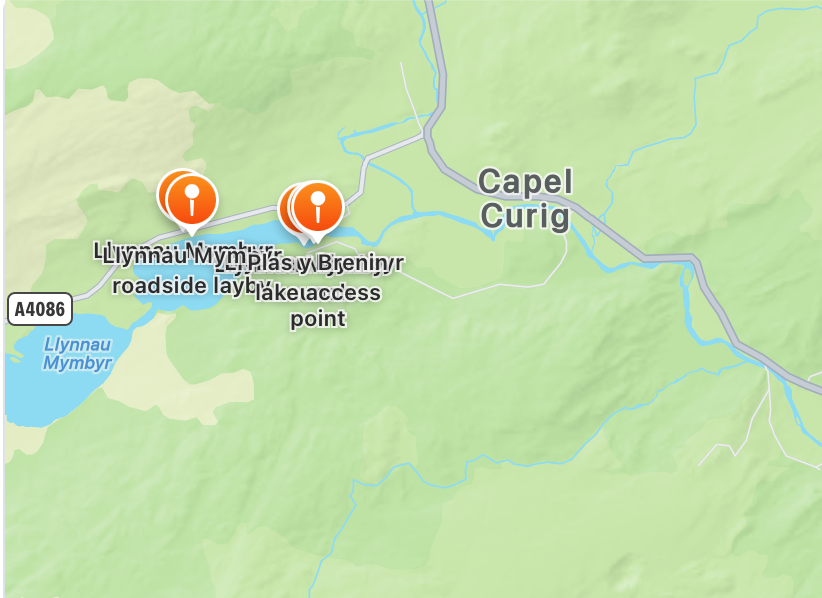
Stithians is a reservoir on the high ground between Falmouth and Redruth, and it is the main inland option in west Cornwall. With no tide to think about it is a good place to practise, though its exposed setting means it can get properly windy. The listing records parking and a play spot. The lake is run by South West Lakes, who allow you to bring your own craft with a self-launch permit; they ask for third-party insurance and a buoyancy aid, and they check inflatables before launch. Check their self-launch page before you travel. See the listing on PaddlePal Finder.
Beyond the water
On a windy day, the South West Coast Path gives you clifftop walking from almost any of these launches. The Camel Trail, a flat cycle path on an old railway line, follows the estuary between Wadebridge and Padstow and is a good way to scout the water you plan to paddle.
Further afield, the Eden Project and the Lost Gardens of Heligan are both near St Austell, St Michael's Mount sits off Marazion, and St Ives has the Tate and its galleries. Falmouth has the National Maritime Museum Cornwall, which is a decent wet-weather choice for anyone who likes boats.
Where to stay
Falmouth is the most practical base for paddlers: it has the Fal on its doorstep, the Helford a short drive south and Stithians inland, along with plenty of B&Bs, guesthouses and self-catering. Fowey and Lostwithiel suit a quieter trip built around the Fowey estuary. On the north coast, Padstow, Wadebridge and Rock cover the Camel and Harlyn, and Bude has its own cluster of campsites and holiday parks.
Cornwall is well set up for vans and tents, which helps when you are carrying boards. The Marazion Caravan and Motorhome Club Site appears on the finder and puts you close to the beaches of Mount's Bay. Wherever you stay, ask about somewhere to rinse and dry kit, and book ahead for the school summer holidays.
Getting there
Most visitors drive, arriving on the A30 through the middle of the county or the A38 across the Tamar from Plymouth. The last few miles to small quays such as Helford Passage and Golant are single-track lanes with passing places, so allow extra time, especially with a long boat on the roof.
The main railway line runs through Cornwall to Penzance, with branch lines to Falmouth, Newquay, St Ives and Looe, which makes a car-free trip realistic with an inflatable board in a bag. Newquay has the county's airport. Several operators hire kayaks and boards near these launches if you would rather travel light.
Before you launch
You do not generally need a licence to paddle on the sea or on tidal water, which covers most of this guide. Individual harbours and landowners do set their own rules, though, and some slipways charge a launch fee, so check locally. Bude Canal and Stithians Lake both need a paid permit, as described above. Finder listings are community pins and a starting point, not a guarantee of access.
Tide is the main thing to plan around. Estuaries empty quickly, the ebb near river mouths can be stronger than you can paddle against, and a creek that was deep at lunchtime can be mud by mid-afternoon. On the Fal and the Fowey, give commercial vessels and ferries plenty of room, and cross channels quickly and at right angles.
On the open coast, check the surf and wind forecast as well as the weather, and be wary of offshore winds, which feel calm on the beach and push you out to sea. Wear a buoyancy aid, use the right leash for the water you are on, carry a phone in a waterproof pouch and tell someone your plan. The finder also has hazard pins on some waters, such as weirs near Falmouth and Bude, so look at the map around your launch before you go.
Plan it with PaddlePal
These eight are a small part of what is listed. You can browse more Cornwall spots on PaddlePal Finder, or go straight to the pages for Falmouth, Fowey and Padstow. In the app you can plan a route, check wind and tide before you leave and track the paddle as you go. PaddlePal is on the App Store.
Frequently asked questions
Where is the best place for beginners to paddle in Cornwall?
Bude Canal and Stithians Lake have no tide or swell, so they are the simplest places to start. The upper Fowey from Golant and the Helford River are also sheltered, as long as you go around high water.
Do I need a licence to kayak or paddleboard in Cornwall?
Not usually on the sea or tidal estuaries, but harbours and slipways can have their own rules and launch fees. Bude Canal and Stithians Lake both require a paid permit.
Can you paddleboard on the north coast of Cornwall?
Yes, on the right day. Harlyn Bay and the Camel estuary at Rock are among the more sheltered options, and the Gannel at Newquay works at high tide. Avoid days with big swell or offshore wind.
When is the best time of year to paddle in Cornwall?
Late spring to early autumn. May, June and September tend to combine reasonable weather with quieter launches and easier parking than the school summer holidays.
Do tides matter for paddling Cornwall's estuaries?
Very much. Most creeks dry out at low water and currents near the river mouths are strong. Plan to paddle in the couple of hours either side of high tide and check a tide table for the nearest port.